PAG's proprietary culture system helps organizations uncover who they are, decide who they must become, translate that identity into observable behavior, and build the mechanisms that keep the culture alive.
Culture is more than values language. PAG treats culture as an interconnected system that clarifies where the organization is going, what makes it distinctive, why it exists, what guides it, and how people are expected to act.
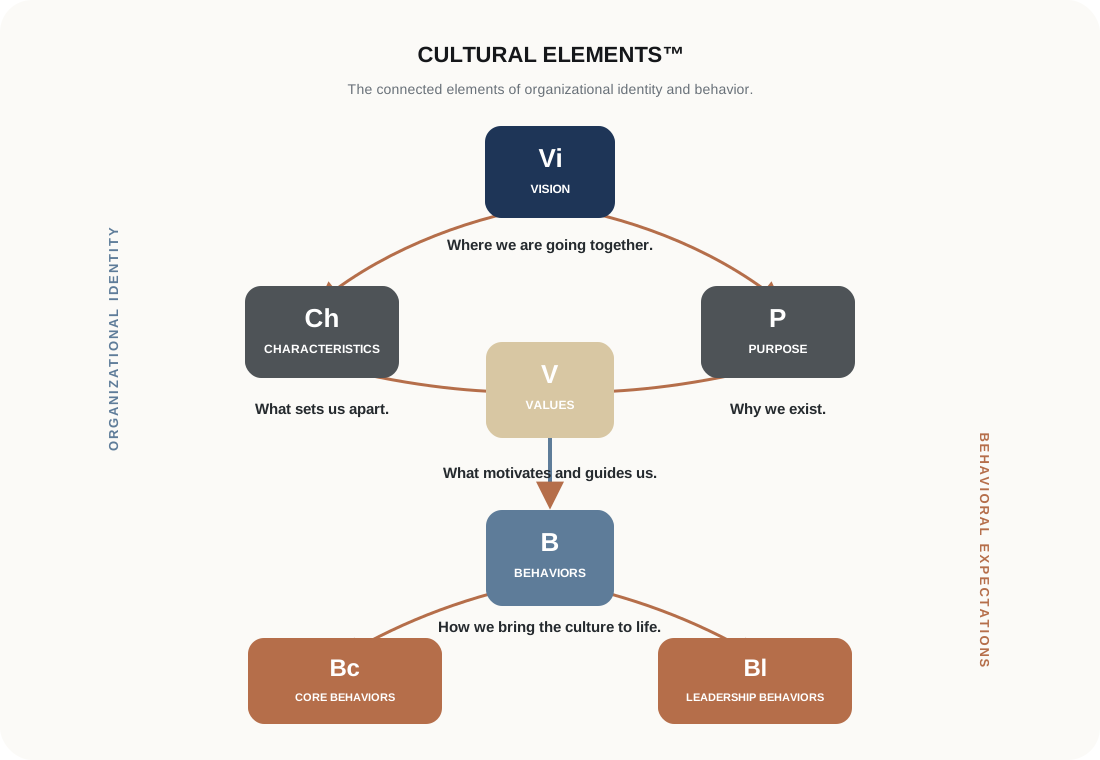
Client-neutral representation of PAG's proprietary Cultural Elements™. Each engagement produces an organization-specific expression of the model.
The Cultural Elements™ give leaders and employees a shared language for who the organization is and how that identity should show up in choices, relationships and performance.
A clear picture of the future the organization is working toward—the star it navigates by.
The central, enduring and distinctive qualities people should be able to count on.
The deeper reason for the work and the impact the organization exists to create.
The commitments and principles that shape choices, priorities and difficult decisions.
Specific actions and habits that turn cultural intent into observable everyday practice.
The Cultural Elements™ is not written for an organization. It is built with the organization through structured, highly participative work that makes assumptions visible, forces choices and builds leadership ownership.
Use existing research, stakeholder insight and leadership perspective to establish the starting point.
Card sorts and plot boards surface individual choices and reveal where alignment already exists—or does not.
Leaders work through Characteristics, Purpose and Values, then Current State / Future State and Vision.
Values and identity are converted into observable Core Behaviors and Leadership Behaviors.
The Cultural Elements™ become a Cultural Roadmap™ and are connected to leadership, talent practices and the employee experience.
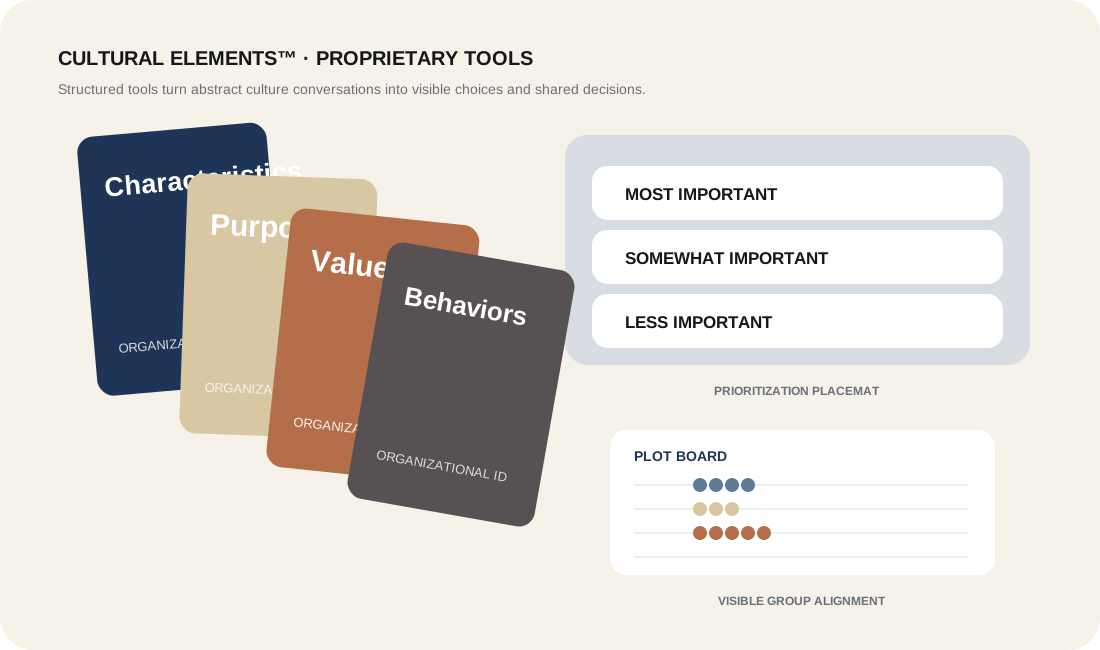
PAG uses tactile, structured tools to move culture work out of abstract discussion and into observable decisions.
Characteristics, Purpose, Values and Behaviors are explored through structured card sorts rather than open-ended wordsmithing.
Participants make individual choices before group consensus, preserving distinct perspectives and creating a disciplined starting point for discussion.
Selections are plotted so the group can literally see patterns of convergence, divergence and priority.
The process moves beyond identity to clarify the desired future and create a compelling direction the culture can support.
Values describe what matters. Behaviors define what those values look like in action. PAG distinguishes between expectations for everyone and the additional behaviors required to lead the culture through others.
Observable daily actions expected regardless of role or title. Core Behaviors make values teachable, coachable and easier to reinforce.
Additional expectations for people who influence others—connecting the vision, developing people, sharing knowledge and building teams that sustain the culture.
The Cultural Roadmap™ translates the work into a distinctive, organization-specific culture guide. It is designed to be used—not filed away.
A Cultural Roadmap™ brings the Cultural Elements™ together in one coherent narrative so employees can understand the culture, reflect on it, discuss it with others, practice it and return to it over time.
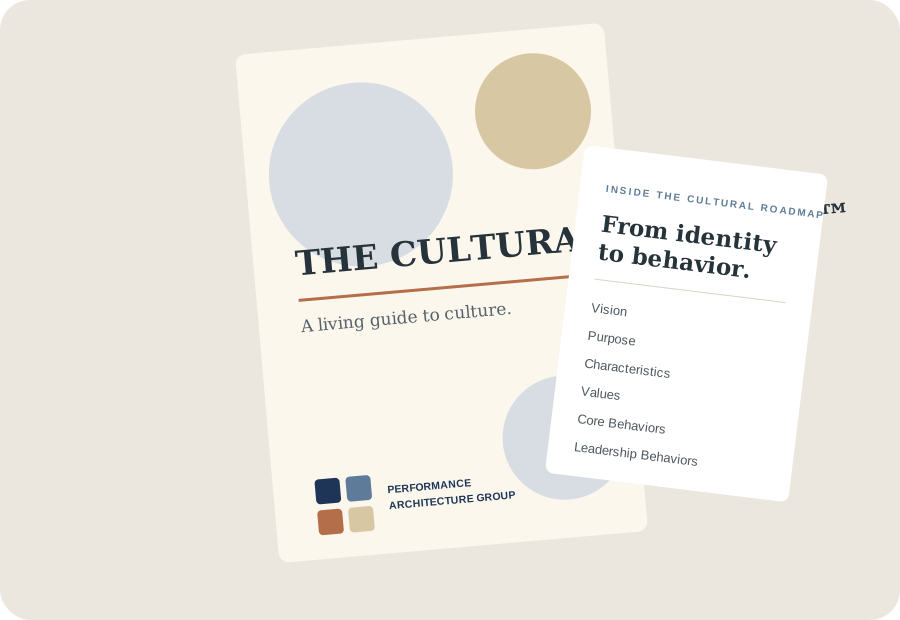
Illustrative client-neutral mockup. Every Cultural Roadmap™ is designed around the organization's own cultural identity and brand.
The work does not end with a workshop or publication. PAG can help embed the Cultural Elements™ into the talent and leadership practices that reinforce what the organization says matters.
Translate values and behaviors into behavioral interviewing and selection practices that assess more than technical capability.
Bring behavioral expectations into performance conversations so success includes both outcomes and the way those outcomes are achieved.
Connect individual development, coaching and learning to the behaviors required by the culture and the future organization.
Make leadership and advancement decisions with greater clarity around who can model, reinforce and sustain the organization's way of working.
Research can establish the fact base. The Cultural Elements™ defines how the organization must work. Leadership Development helps leaders model and sustain it.
