PAG's leadership system connects self-awareness, behavioral competency, applied learning, culture and executive coaching to one purpose: helping leaders become more effective in the work they actually do.
Leadership development is not an event. It is a process of increasing awareness, strengthening behavior, applying new ideas and building capability over time.
PAG integrates personality insight, a 12-competency leadership framework, self- and 360-assessment, behavioral interviewing, immersive learning, individualized development planning and coaching. Each element produces useful information; together they create a development system.
The model defines leadership through 12 observable competencies organized into four domains. It provides a shared language for development, assessment, selection, coaching and performance conversations.
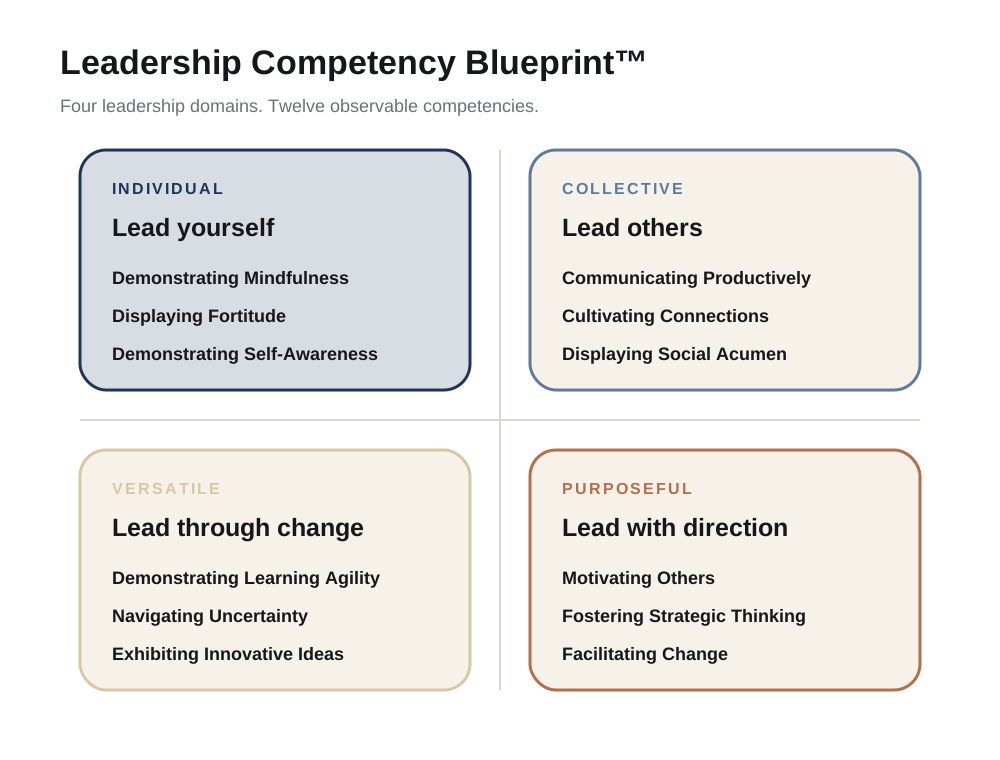
Mindfulness, fortitude and self-awareness establish the internal capacity to lead deliberately.
Productive communication, connection and social acumen strengthen relationships and team effectiveness.
Learning agility, comfort with uncertainty and innovative thinking create adaptability.
Motivation, strategic thinking and change leadership turn intention into coordinated action.
The competency model can operate as a Leadership Self-Assessment or as a 360 feedback instrument. The same 12 competencies can also anchor behavioral interviews for selection and development.
The objective is not to produce a score for its own sake. The data creates a baseline: where natural strengths can be leveraged, where behavior may be limiting performance, and which 2–3 competencies offer the greatest developmental return.
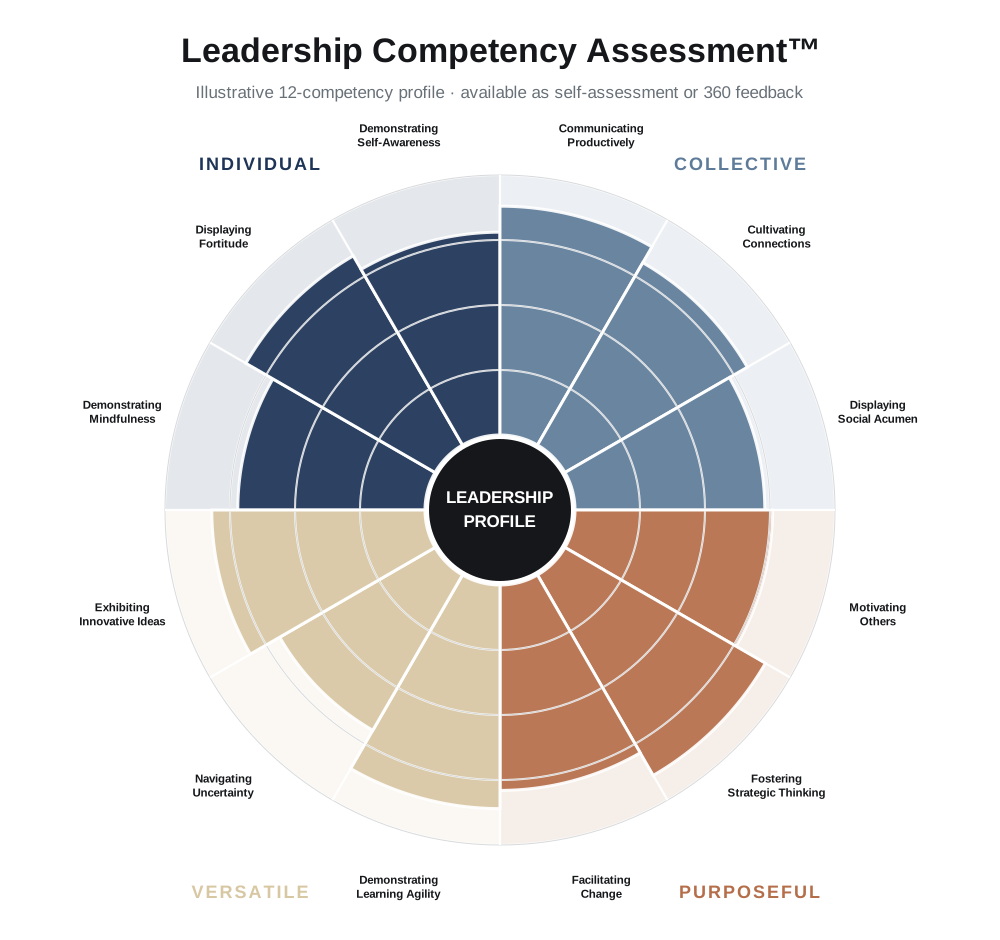
Illustrative profile. Client and participant assessment results remain confidential.
Build reflection and establish an initial competency baseline.
Compare self-perception with feedback from managers, peers and direct reports.
Use the same competencies to evaluate how candidates or leaders have demonstrated behavior in real situations.
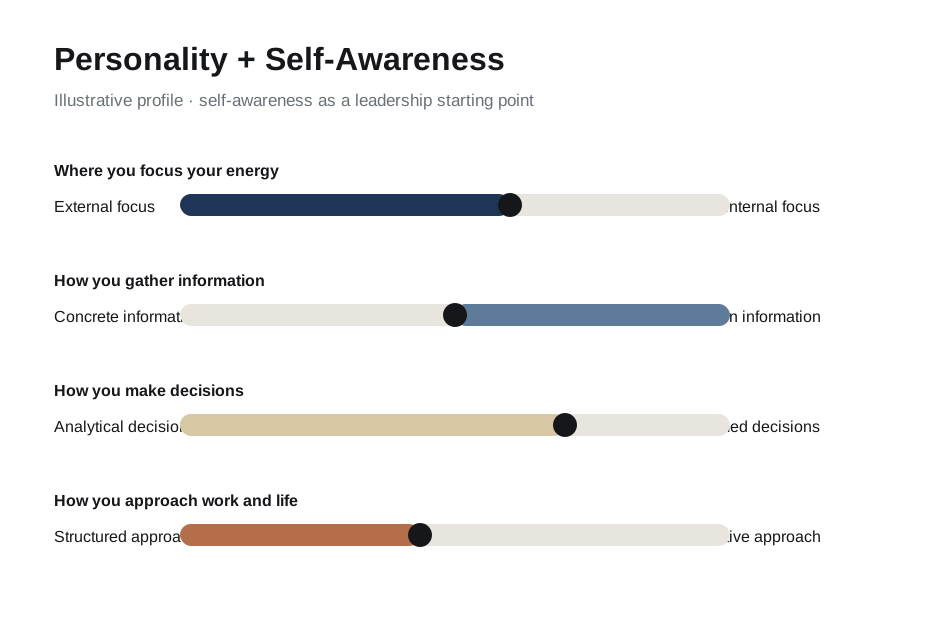
Personality assessment gives leaders a practical language for understanding the preferences and patterns that shape how they naturally show up.
Four core dimensions explore where a person focuses energy, how information is gathered, how decisions are made and how work and life are approached. PAG connects those insights to the 12 leadership competencies—not as labels or excuses, but as intelligence about natural strengths, stretch zones and developmental leverage.
The program can be delivered as connected sessions, a concentrated full-day experience or another reasonable format. The curriculum flexes; the developmental arc stays intact.
Interpret the personality profile, identify leadership strengths and risks, and understand the preferences that shape communication, decision-making and action.
Assess the competency landscape, identify the few growth areas with the greatest performance impact, and build a practical development roadmap.
Connect personality and competencies to the organization's culture, leadership expectations and real decisions—then translate learning into daily practice.
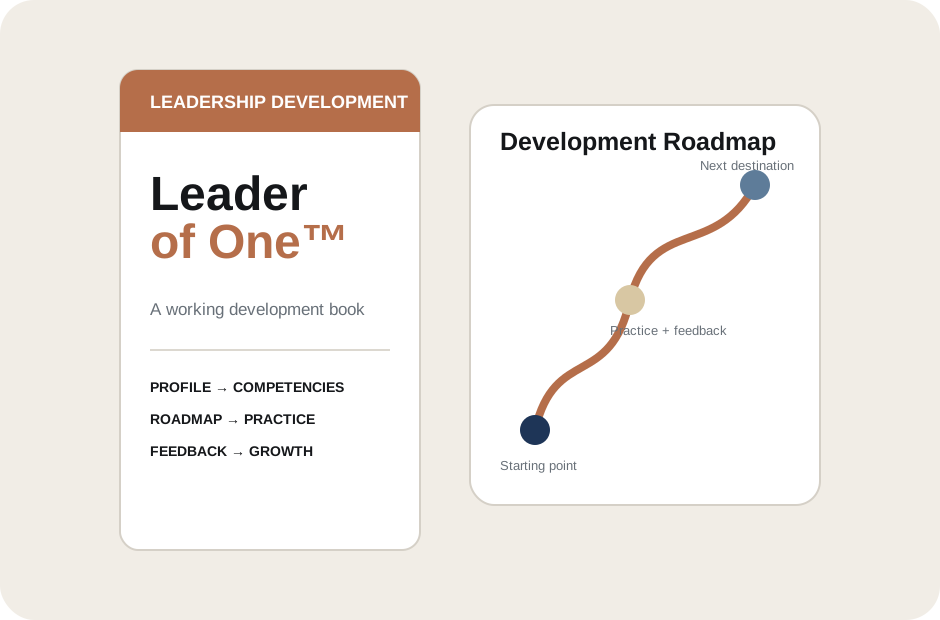
A working development book that turns the program into an individual leadership system.
The workbook brings assessment results, reflection, competency priorities, development goals, practice commitments, feedback sources and action planning into one place. It is designed to be written in, revisited and used between formal learning sessions.
Executive coaching is the individualized application layer of the system. It connects assessment findings and development priorities to live business, team and leadership challenges.
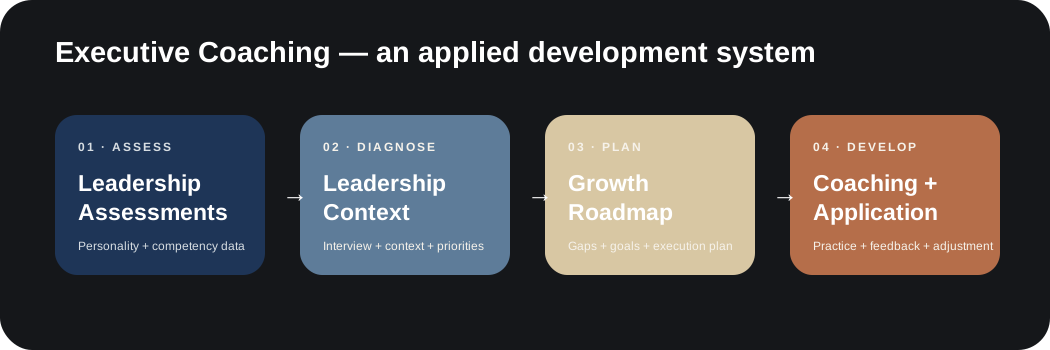
Coaching begins with a deeper understanding of the leader—personality, competency patterns, behavioral examples, performance gaps and the conditions that create or drain leadership energy.
Development is translated into a small number of specific goals, expected outcomes, on-the-job practice, feedback and formal or independent learning.
Ongoing coaching uses current decisions, conversations, team dynamics and challenges as the laboratory for development—not hypothetical case studies alone.
OHS research can identify organizational leadership needs. The Cultural Elements™ defines the behaviors the organization needs leaders to model. Leadership development and coaching build the individual and collective capability to make those expectations real.
